This report provides a snapshot of recent scientific literature and new analyses of likely impacts and risks that would be associated with a 4° Celsius warming within this century. It is a rigorous attempt to outline a range of risks, focusing on developing countries and especially the poor. A 4°C world would be one of unprecedented heat waves, severe drought, and major floods in many regions, with serious impacts on ecosystems and associated services. But with action, a 4°C world can be avoided and we can likely hold warming below 2°C.
This report focuses on the risks of climate change to development in Sub-Saharan Africa, South East Asia and South Asia. Building on the 2012 report, Turn Down the Heat: Why a 4°C Warmer World Must be Avoided, this new scientific analysis examines the likely impacts of present day, 2°C and 4°C warming on agricultural production, water resources, and coastal vulnerability for affected populations.
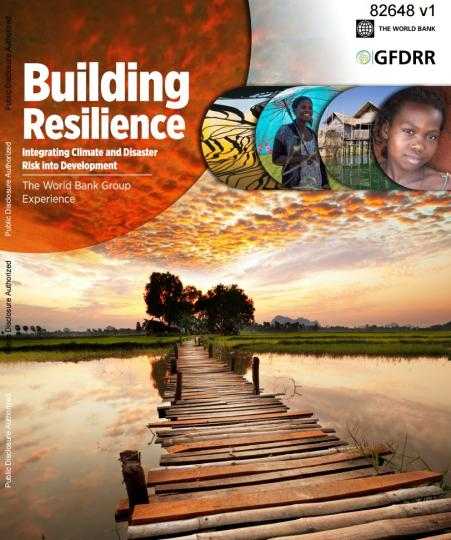
This report presents the World Bank Group's experience in climate and disaster resilient development and contends that it is essential to eliminate extreme poverty and achieve shared prosperity by 2030. The report argues for closer collaboration between the climate resilience and disaster risk management communities through the incorporation of climate and disaster resilience into broader development processes.
As one of the most climate vulnerable countries in the world, Mozambique’s presence at COP21 is a critical moment to increase financial, technological and capacity support from the international community, and, therefore, reduce its high risk to the impacts of climate change.
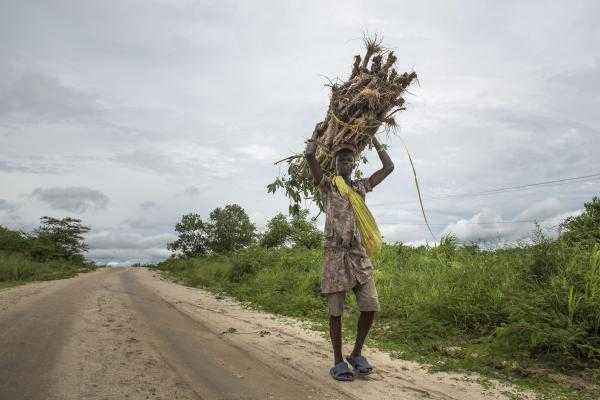
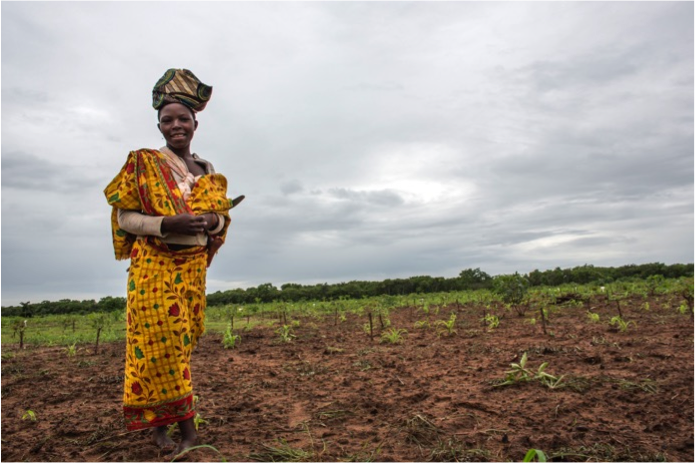
Over 70% of Mozambique’s population live in rural areas and are heavily dependent on forests and natural resources for their livelihoods - forests, woodlands and other vegetation cover approximately 70% of Mozambique’s total country surface. Given this greater dependence, climate change further exacerbates the vulnerability of Mozambican population and strongly impacts Mozambique’s human development.
Every year Mozambique experiences the devastating consequences of climate change. Its geographical location exposes Mozambique to extreme and recurrent floods with deadly outcomes and displacing tens of thousands in the country, cyclones and droughts, causing high levels of poverty, loss of human lives, destruction of socioeconomic infrastructures and environmental degradation. Current analysis show that the economic cost of climate change to Mozambique has been estimated between US$2.3 billion and US$7.4 billion during the period 2003–2050.

Photo credit: Andrea Borgarello, TerraAfrica
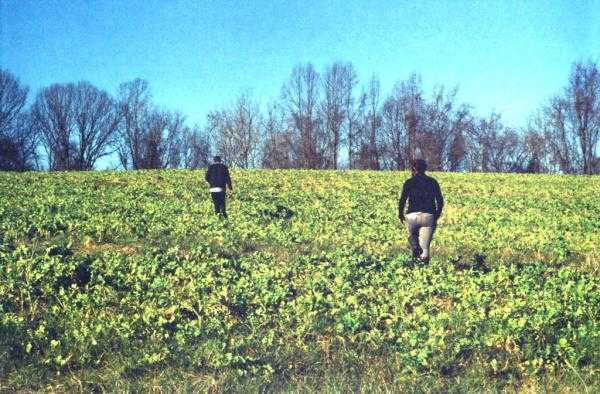
We are excited to announce the winner of the fourth week of our competition: Tara Whitsitt in New York! Tara shared this photo and caption about cover crops in Maryland:
Winners: Agriculture, 13-17 years old
1st Place in the 13-17 age category
<p style="font-size: 13.008px; line-height: 20.0063px; text-align: center;"><strong><img alt="" src="/sites/default/files/images/Fertility_countdown.jpg" style="width: 1000px; height: 750px;" /></strong></p>
<p><strong>1st place in the 18-24 age category</strong></p>
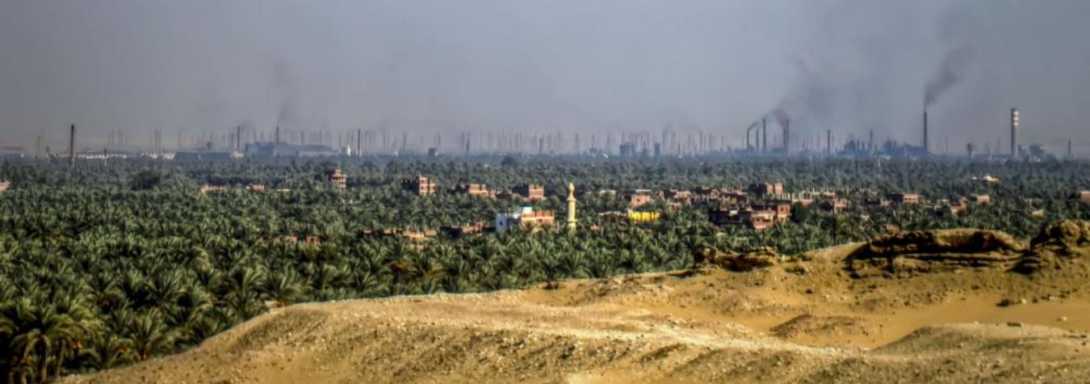
<p><strong>Fertility Countdown</strong> - Mohamed Samad – Egypt - This relatively remote piece of Egyptian fertile land used for agriculture is threatened by Air pollution, urbanization and desertification as a result of climate change</p>
<p style="font-size: 13.008px; line-height: 20.0063px; text-align: center;"><img alt="" src="/sites/default/files/images/One_hen_campaign.JPG" style="width: 1000px; height: 750px;" /></p>
<p><strong>2nd place in the 18-24 age category</strong></p>
<p><strong>One Hen Campaign Project - James Makini – Kenya - </strong></p>
<p>A photo I took from the field where we train farmers on agribusiness, environmental conservation,entrepreneurship and value chain analysis from a practical perspective, whereby each member is given a hen and a cage as a loan (One Hen Campaign Project) and after 6 months they surrender 2 chicks (once) to the programme for onward lending to other groups and sustainability of the programme.</p>
<p><strong>*Watch this video from 2nd place winner James Makini explaining the importance of his photo</strong></p>
<p>[video:https://www.youtube.com/watch?v=X6cN_1fTlno]</p>
<p> </p>
<p>On Environmental conservation, IEP has come up with a very innovative way of training the youth and women to desist from using traditional cages that consume a lot of trees and instead use a modern cage covered with a wire mesh hence saving trees. From the hens droppings we train youth and women how to make composite manure which is organic and helps them conserve the soil that has been depleted by use of chemical fertilizers.</p>
<p style="text-align: center;"><img alt="" src="/sites/default/files/images/The_golden_islandb.jpg" style="width: 1000px; height: 672px;" /></p>
<p><strong>3rd place in the 18-24 age category</strong></p>
<p><strong>The Golden Island - Andrew A. Shenouda – Egypt </strong></p>
<p>Gezieret el Dahab or The Golden Island is an agricultural area located near downtown Cairo. Although it's isolated to some extend from Cairo Noise, it was threatened one day to swept and change to a business district.</p>
<p style="font-size: 13.008px; line-height: 20.0063px; text-align: center;"><strong><img alt="" src="/sites/default/files/images/Kisakye_Mayanja.JPG" style="width: 1000px; height: 750px;" /></strong></p>
<p><strong>1st place in the 25-35 age category</strong></p>
<p><strong>Forest For Gardening - Kisakye Mayanja- Uganda - </strong><br />
This picture, taken in Kiboga district shows a woodland turned into an agricultural field. Agricultural land is diminishing as a result of population explosion in many areas of the world, but, in this region of Uganda, encroachment is caused by soils that have been over cultivated. Farmers there try to seek better soils from forested land, they burn fell the trees before cultivating. The ferttile soils in the forests can easily leach and will soon lose fertility, leading to further encroachment and change in the micro climate of such a place.</p>
<p style="font-size: 13.008px; line-height: 20.0063px; text-align: center;"><img alt="" src="/sites/default/files/images/Stephanie_Rabemiafara5.jpg" style="width: 1000px; height: 667px;" /></p>
<p><strong>2nd place in the 25-35 age category</strong></p>
<p><strong>Madagascar, Inland, father and son posing in front of rice fields. Stephanie Rabemiafara – Madagascar -</strong></p>
<p>Traditional farming methods vary from one ethnic group or location to another, according to population density, climate, water supply, and The most intensive form of cultivation is practiced among theBetsileo and Merina groups of the central highlands, where population densities are the highest. At the other extreme are the extensive slash-and-burn methods of brush clearing and shifting cultivationin the south and the east. The price of rice, the staple food in Madagascar, has doubled in the past two years, forcing residents in the capital, Antananarivo, to halve their consumption.</p>
<p><strong>3rd place in the 25-35 age category</strong></p>
<p style="font-size: 13.008px; line-height: 20.0063px; text-align: center;"><br />
<img alt="" src="/sites/default/files/images/Brice_Blondel.jpg" style="width: 1000px; height: 667px;" /></p>
<p><strong>Cattle Farmer from Paua – Brice Blondel – France - </strong></p>
<p>Paoua, in the North Ouest of the Central African Republic is subjected to chronic insecurity. People regularly have to flee the town to hide in the bush for weeks, sometimes months, in order to avoid being attacked by rebels or bandits.Not many people are able to save cattle, which is often stolen by armed men. This man's house was partly destroyed, as were many others in his neighbourhood, but he still owned that one cow. It is him who came to me and ask that I take his picture.</p>
<p><strong>*Watch this video from 3rd place winner Brice Blondel explaining the importance of his photo</strong></p>
<p>[video:https://www.youtube.com/watch?v=dwScvXgfnpI]</p>
IPCC Fifth Assessment Report - Working Group II - Climate Change 2014: Impacts, Adaptation, and Vulnerability
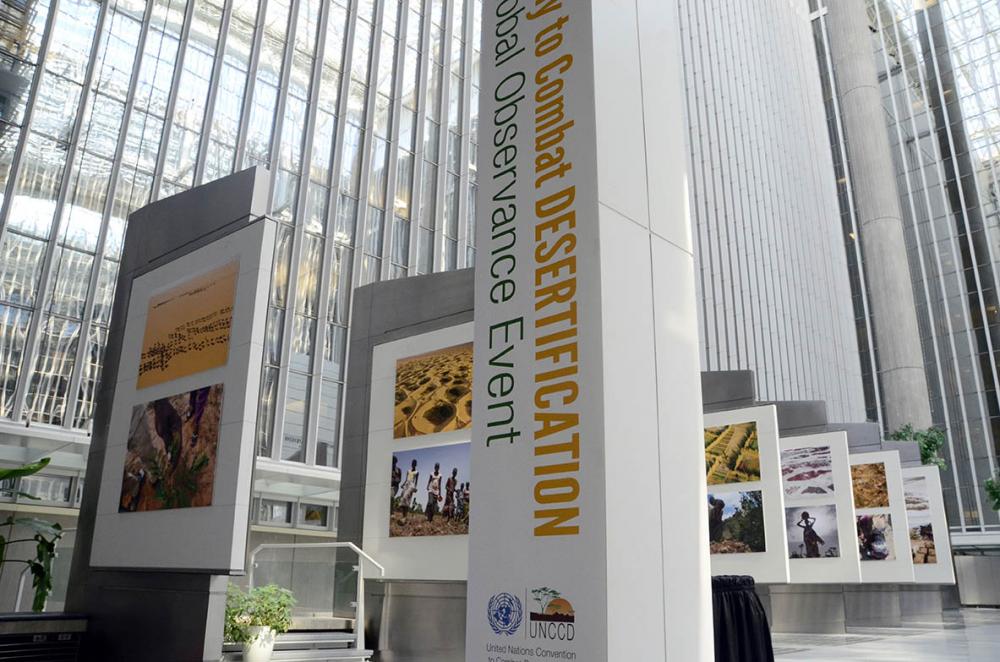
The 2014 World Day to Combat Desertification global observance event focused on the theme of ecosystem-based adaptation, with a rallying call “Land Belongs to the Future – Let’s Climate Proof It.” Approximately 400 representatives from government, intergovernmental and civil society organizations (CSOs) registered for the event, which took place on Tuesday, 17 June 2014, at World Bank headquarters in Washington, DC, US. The event was also webcast, and speakers responded to questions from a global audience. The United Nations Convention to Combat Desertification (UNCCD) organized the event, which was hosted by the World Bank in partnership with the Global Environment Facility (GEF), TerrAfrica and Connect4Climate.
On the twentieth anniversary of the adoption of the UNCCD, speakers at the global observance event considered the requirements for ecosystem-based adaptation to address issues related to desertification, land degradation and drought as well as shared successful cases of combating desertification in drylands. Keynote speakers discussed national efforts, and panelists presented research and lessons learned to address land degradation and foster adaptation and resilience. Two short films were screened, demonstrating additional projects and lessons learned. The Land for Life award winners were also announced. This briefing note summarizes the event’s proceedings.

Every year, 24 billion tons of fertile soils are lost to us from erosion while 12 million hectares of land are degraded through drought and the steady encroachment of desert. With every hectare of land we lose to drought or the desert, we also lose tons of potential grain which makes life even more of an ordeal for the 1.5 billion people worldwide who make their living off degraded land.
But as we celebrate World Desertification Day this year, there is also new hope as two billion hectares of degraded land have the potential to be restored. In the Maradi and Zinger regions of Niger, sustainable practices led to the spontaneous regeneration of 200 million trees that now secure the livelihoods of 4.5 million people. Regenerated trees such as Faidherbia albida, apple-ring acacia, used for food, fodder and nitrogen fixing have been protected and managed by farmers with no tree nurseries, no planting and nearly no cost – just dedication. On Mali’s Seno Plains, farmers have protected and managed trees on 450,000 hectares of their land.

Word Day to Combat Desertification Global Observance Event: “Land Belongs to the Future – Let’s Climate Proof It.”
To keep that hope alive, hundreds of thousands of people across the world recently celebrated World Day to Combat Desertification, along with many at the World Bank, to raise public awareness about desertification, and promote a global collective response, especially in Africa.
The global observance organized by the UN Convention to Combat Desertification (UNCCD) and hosted by the World Bank in partnership with the Global Environment Facility, TerrAfrica and Connect4Climate, focused on the theme of ecosystem-based adaptation, with a rallying call“Land Belongs to the Future – Let’s Climate Proof It.”
“Africa is already feeling the harsh bite of climate change, especially in the countries of The Sahel and others affected by prolonged drought and desertification. We are working closely with communities to build up their resilience to adverse weather conditions and invest in climate-smart agriculture,” said AFRVP Makhtar Diop in a special video address to the special Bank-sponsored event. “Our natural allies in this work are collaborative agencies such as TerrAfrica, and UNCCD, which champion existing local innovations that safeguard the environment and create ecosystems that keep the world’s lands alive and productive.”
Climate change is pushing our ecosystems to breaking point and the failure to act may result in food, water, income and security threats. The price to fix degraded land on a large scale and minimize these outcomes is only a fraction of the cost paid through social and political unrest, conflict, forced migration or internal displacement. Restoring a hectare of degraded and fragile soils, in The Sahel, costs as little as US$ 25 to 65.
“The international community must find ways to secure the long-term resilience not only for ecosystems, but also for people and for the poor who are the most affected by desertification,” said Mahmoud Mohieldin, Corporate Secretary and the President’s Special Envoy for the MDGs, in his opening remarks. “To address the unique issues faced by the most vulnerable, we must invest in applicable solutions that are transformative, and can be scaled up.”

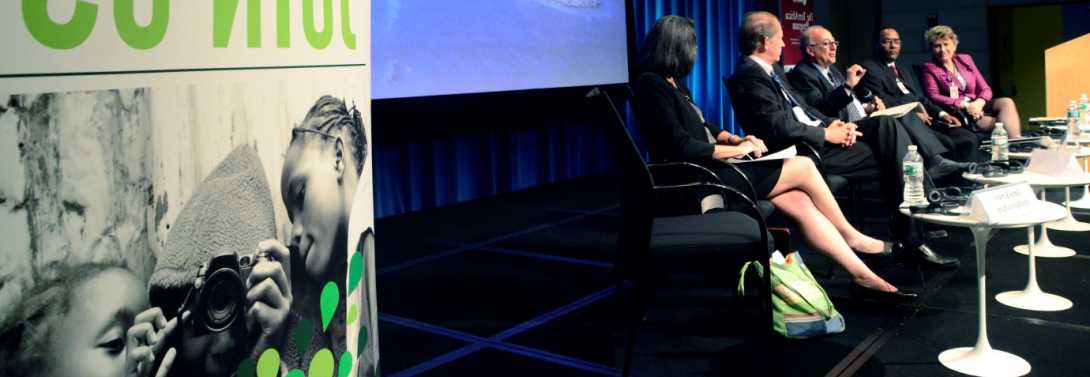
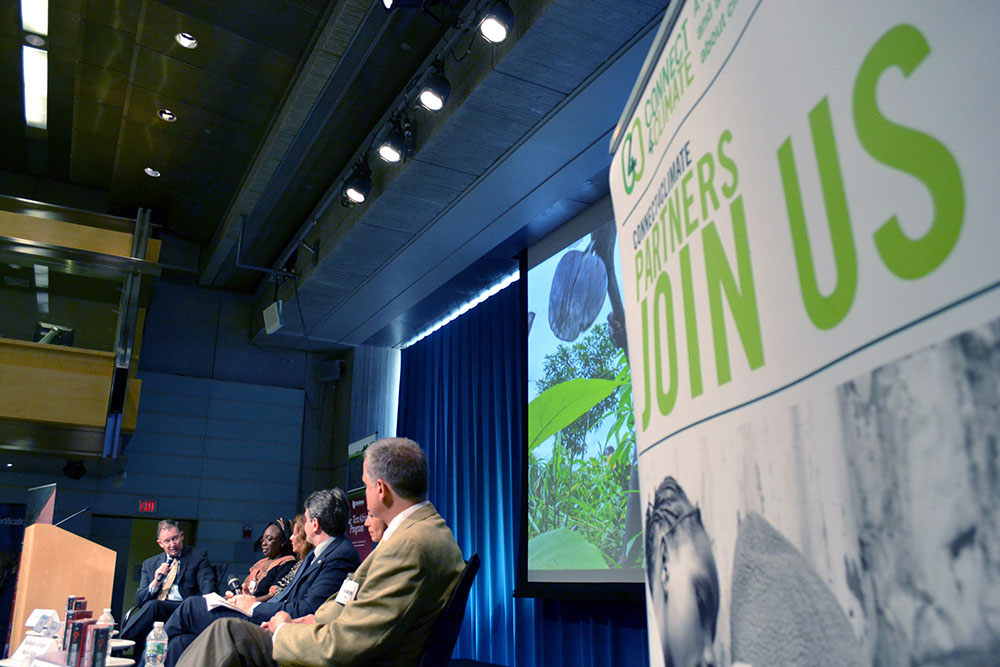
Panel discussion at World Day to Combat Desertification "A Conversation on Drylands: Perspectives from Africa, LAC and the Middle East"
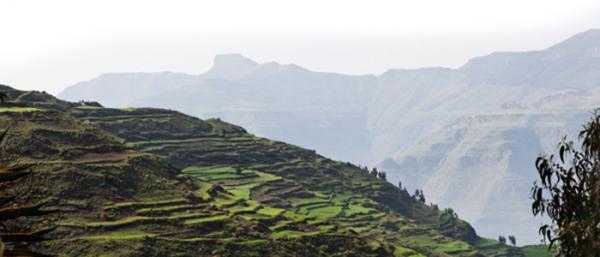
Desertification-fighting champions include Ethiopia whose success was featured through the Bank-produced documentary Greening Ethiopia’s Highlands: A New Hope for Africa. The movie highlights how a landscape approach was used to manage land, water and forest resources to meet the goals of food security and inclusive green growth.
Niger’s effort in the restoration of degraded land and reforestation was also highlighted in the keynote address by its Prime Minister, Brigi Rafini. “Niger is one of hardest hit by desertification with the drying up of Lake Chad,” he said. “But, we have achieved incredible results on the sustainable management of ecosystems through local solutions and the Great Green Wall Initiative. The fight against desertification and climate change is within our reach.”
However, as Magda Lovei, ENRM Sector Manager, remarked, commitments from the top, mobilization at the grassroots and strong policies are necessary to find and deliver solutions. “If all these ingredients for success can be put in place and people do the right thing, nature can heal itself,” she said.
Juergen Voegele, Senior Director for the Agriculture Global Practice, reiterated the need for an approach that lets nature do the job. “Landscapes don’t need to be managed,” he said. “It is the people that need to be managed.”
This point was emphasized with the screening of the Why Poverty? documentary Solar Mamas, which depicts the encouraging training of illiterate mothers and grandmothers to become solar engineers through the Barefoot College in India. The film (embedded below) was screened following a presentation by Raffaelo Cervigni, World Bank Lead Environmental Economist, on the flagship drylands report to stimulate the panel discussion A Conversation on Drylands: Perspectives from Africa, LAC and the Middle East.

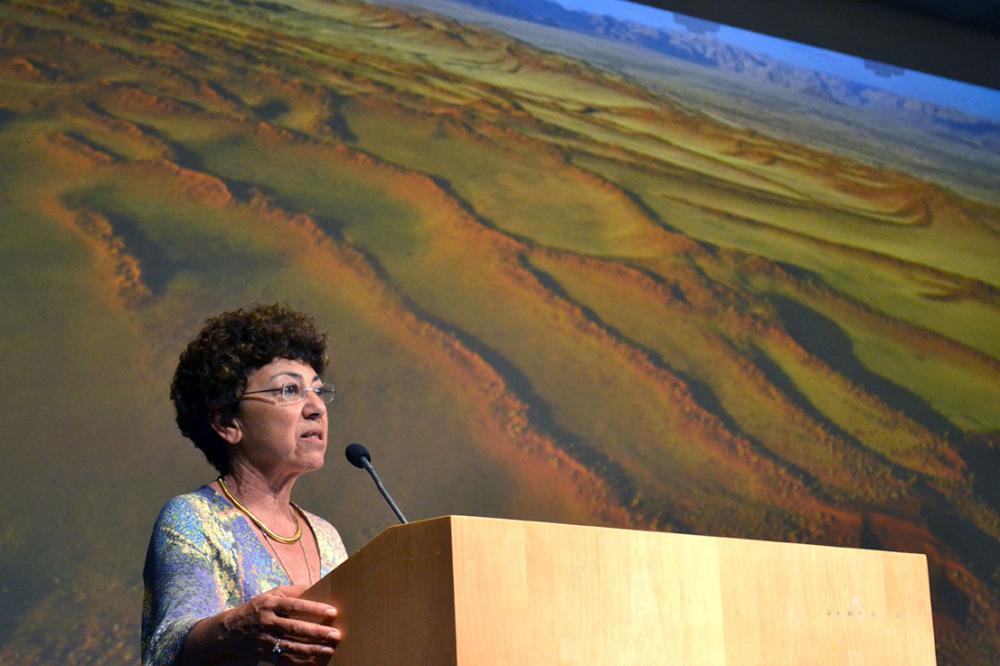
Monique Barbut, Executive Secretary, UNCCD
In her closing remarks, Monique Barbut, Executive Secretary, UNCCD, reiterated that insufficient attention is paid to land in climate change adaptation. She emphasized that it is not a matter of inventing solutions - many proven and effective measures exist and should be brought to scale. She pointed out that, while climate change negotiations tend to center around the largest greenhouse gas emitters, when climate change is put in terms of land, the negotiation dynamics can change as 169 countries claimed to be affected by desertification.
There is hope that, as the global community is debating the post-2015 development agenda and the future of climate action, the path chosen would lead towards land-based resilience.
Original post can be accessed on the World Bank website.
[video:https://vimeo.com/96813617]
Spain not only has to combat the economic crisis, but also the effects of climate change. The climate is increasingly volatile and extremely dry and hot over a number of consecutive months, which especially puts the Spanish agriculture and forestry sectors under pressure. The Spanish Government has therefore committed to reducing greenhouse gas emissions. For example, early this year it approved 37 projects under the Clima 2013 plan, backed by 10 million budget. These projects should help to reduce emissions by 800 Tn CO2 equivalent and support the overall goal of reaching 10% lower emissions by 2020 (compared to emissions in 2005).
Apart from reducing emissions, much is being done to mitigate climate change effects. Several consequences of climate change are already happening, such as soil degradation with subsequent loss of agricultural capacity and the loss of biodiversity in affected eco-systems. Many agricultural areas are degraded and have been abandoned due to lack of profitability. One way to combat these developments is the reforestation of rural areas where trees can help improve soil quality, slow erosion, retain water and provide sheltering space and forage for wild animals. Reforestation is often difficult and expensive as the areas often lack water and are remote.
The Life+ Green Deserts project is exploring a potential solution to make reforestation affordable through the use of the Groasis Waterboxx, a device that helps young trees survive their first critical years. The partners in this ambitious reforestation project have planted 55,000 trees, most of them with the Groasis Waterboxx, and are monitoring the results. The immediate aim is to convert 63 hectares of bare and deserted land into forest without the use of traditional irrigation, in order to increase the resilience of each area. Midterm, the project intends to demonstrate the viability of the used technology and find a solution to the problems of reforestation in Mediterranean and other areas that suffer from desertification.
The Green Deserts project started in 2010 in five different Spanish provinces, namely Valladolid, Len, Zamora, Zaragoza and Barcelona. These fives zones have different climatic characteristics, different altitudes, and different usage and soil composition. However, a common element is that they are extremely dry to arid and no tree, plant or crop can grow without artificial irrigation, if at all.
The participants of the project are aware that no change can be realized without raising awareness of the problem. Therefore, one of the objectives is to disseminate the results and raise awareness in local communities. Individuals, families and schools have reacted with great interest and are happy to learn more and participate in planting trees.
Learn more about LIFE+ The Green Deserts at www.thegreendeserts.com or become a fan of their Facebook Page.
Hosted by the World Bank Group and supported by Italy’s Ministry of the Environment and Energy Security and Germany’s Federal Ministry for Economic Cooperation and Development, Connect4Climate (C4C) is a global partnership for a livable planet that connects, creates, and communicates to build long-lasting change for future generations.