The report examines the implications of climate change for Lesotho’s future development and economy, focusing particularly on the different water infrastructure investments being considered by the Government of Lesotho. Through assessing the performance of the water management system the study tests how different adaptation strategies would affect water availability for different sectors under a wide range of possible future climatic conditions up to 2050.

Report conclusions include:

|
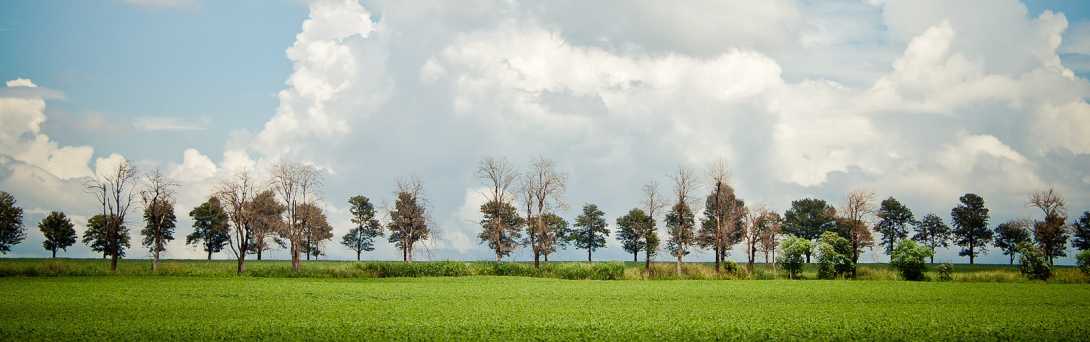
Rural: #Photo4Climate Finalist Photo of the Week
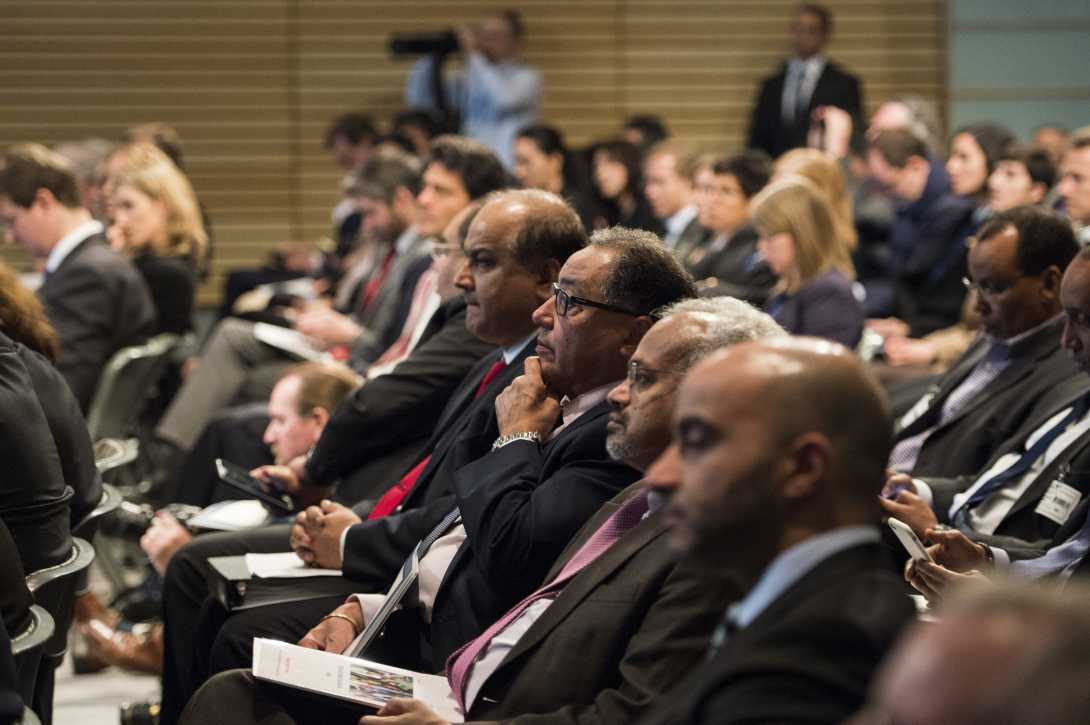
2016 Understanding Risk Forum
|
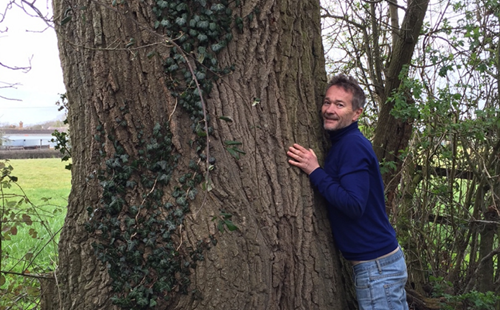
Plant a Tree to mark April 22 Signing of the Paris Agreement

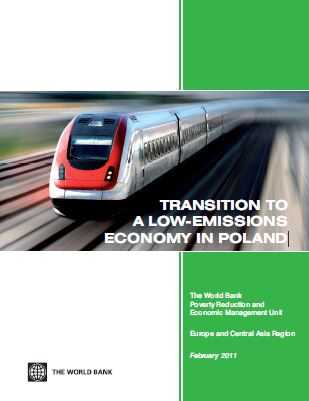
This study on Poland is part of the World Bank’s series of low-carbon growth studies. It poses the question of how Poland, an EU member state, an industrialized ‘Annex I’ country for the purposes of international climate discussions,1 and an OECD member, can transition to a low emissions economy as successfully as it underwent transition to a market economy in the early 1990s.

This is the story of how one major global development institution, the International Finance Corporation (IFC), recognized and responded to the challenge of climate change, and was itself transformed in the experience. Addressing climate change affected IFC at every organizational level, from high-level policy issues such as the role to take in supporting the use of fossil fuel, to highly technical and operational issues, such as tracking greenhouse gas emissions, and evaluating investments while taking into account

This book analyzes the risks to Nigeria's development prospects that climate change poses to agriculture, livestock, and water management. These sectors were chosen because they are central to achieving the growth, livelihood, and environmental objectives of Vision 20: 2020; and because they are already vulnerable to current climate variability. Since other sectors might also be affected, the findings of this research provide lower-bound estimates of overall climate change impacts.

The Federal Government of Nigeria (FGN) and the World Bank have agreed to carry out a Climate Change Assessment (CCA) within the framework of the Bank's Country Partnership Strategy (CPS) for Nigeria (2010-13). The CCA includes an analysis of options for low-carbon development in selected sectors, including power, oil and gas, transport, and agriculture.

This report 'Turning the right corner - ensuring development through a low carbon transport sector' emphasizes that developing countries need to transition to a low carbon transport sector now to avoid locking themselves into an unsustainable and costly future. Furthermore, it argues that this transition can be affordable if countries combine policies to reduce greenhouse gas emissions with broader sector reforms aimed at reducing local air pollution, road safety risks, and congestion.

Ending poverty and stabilizing climate change will be two unprecedented global achievements and two major steps toward sustainable development. But the two objectives cannot be considered in isolation: they need to be jointly tackled through an integrated strategy. This report brings together those two objectives and explores how they can more easily be achieved if considered together. It examines the potential impact of climate change and climate policies on poverty reduction.