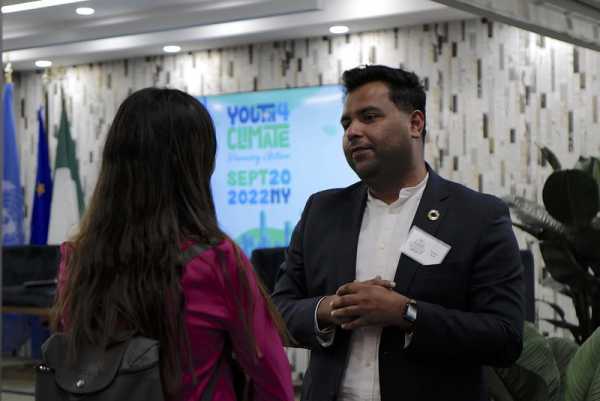
A standard release form administered to participants in Connect4Climate interviews and other engagements allowing their words, likenesses etc. to be used freely across Connect4Climate channels.

A standard release form administered to participants in Connect4Climate interviews and other engagements allowing their words, likenesses etc. to be used freely across Connect4Climate channels.

Climatic disruptions such as heat waves and air pollution are among the biggest challenges facing our cities today.
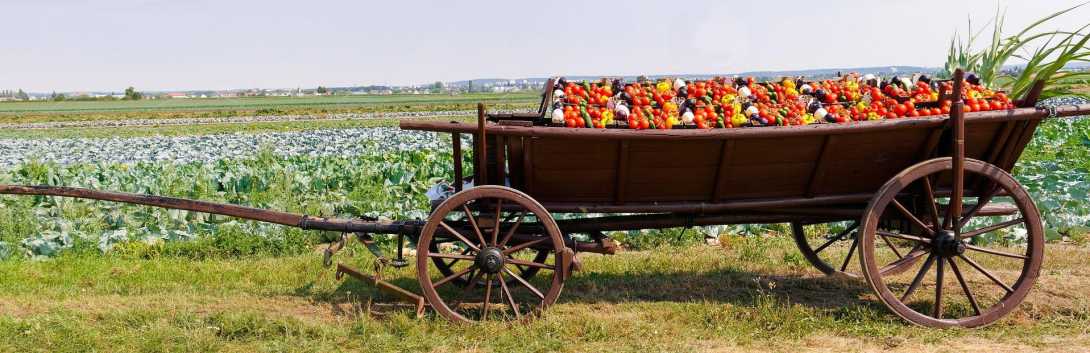
The food we eat traverses great distances – sometimes hundreds or thousands of miles – to reach our plates.

Quality research on climate change is critical as we work together to devise solutions for a sustainable future.

Before the COVID-19 crisis, tourism was one of the most important commerci

Over time, climate change is contributing to issues around the world like hunger from failed crops and displaced families from flooding. Cutting emissions and preserving resources while we can is the only way to stall these problems. While we need major companies in energy and mining to make changes to reduce the amount of carbon we put out, there are also changes individuals can make to live greener, healthier lives. Consider these simple suggestions!

Photo by Bibhukalyan Acharya from Pexels
Watch Your Water
Parts of the United States and many other regions of the world are now facing extreme droughts and concerns of unsustainable water rationing. Even if you live somewhere that's not experiencing shortages, reducing water waste today can help prepare your family for drought response actions tomorrow and will free up water for others who might have urgent need of it. Conserving this precious resource also helps curb the climate change that's contributing to these droughts: the less water you waste, the less energy needs to be burned on water treatment, cutting down on carbon emissions.
A great way to reduce water waste is through rainwater collection. Saving rainwater provides you with extra stores you can use to water plants, refill fountains, wash cars, do laundry, or use for whatever other irrigation needs you have. Saving rainwater can reduce a home’s water requirements by as much as 70 percent. If hot water systems are supplied with rainwater, that reduction can increase to as much as 85 percent.
If rainwater collection isn’t an option, or if you’d just like to focus on your tap water use for now, Prestige Plumbing points out that low-flow faucets and toilets can be a boon. They save water, energy and money, and ultimately can help save our planet.
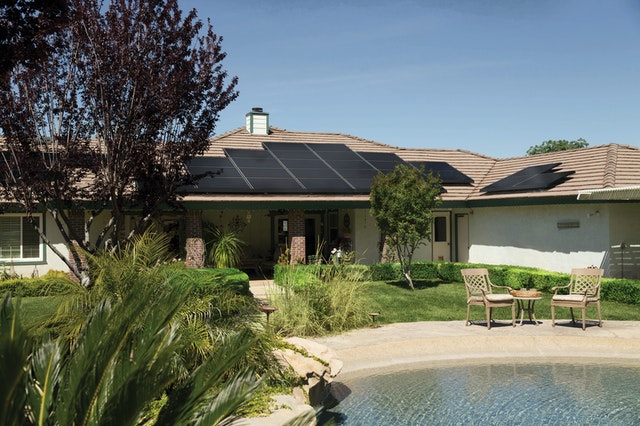
Photo by Vivint Solar from Pexels
Install Solar Panels
If paying your electricity bill eats a huge chunk out of your monthly budget, it may be time to consider alternatives for powering your home. Solar panels are becoming increasingly accessible in the United States. Solar energy is (in effect) endless in supply, and taking advantage of it has no adverse effects on the climate.
As the technology improves, the efficiency of solar panels increases. Today, homeowners can find panels that boast 20 to 23 percent efficiency ratings. As solar panels become cheaper and more efficient, the costs of traditionally sourced power continue to increase. Today homeowners in the U.S. are achieving their break-even point with solar in as short as three years.

Photo by Waldemar Brandt from Pexels
Check Your Windows
According to Energy Saver, heat loss and gain through windows is responsible for 25-30 percent of residential energy use. Testing for air leaks may be as simple as feeling for airflow along cracks, but there are other ways to know, such as when you can rattle a window (meaning a seal or frame is compromised) or when you can see daylight seeping in around a frame.
While you can update your windows for better efficiency by addressing leaky frames with caulk or weatherstripping, it may be time to replace them outright. When searching for residential window repair near you, Angi recommends making sure the professional is insured and licensed (if required in your state). Also check their customer referrals, whether online or by calling the customers cited by the company.
And remember, even if your windows are in perfect condition, you're wasting valuable energy if you leave them open or cracked while simultaneously heating or cooling your unit artificially.
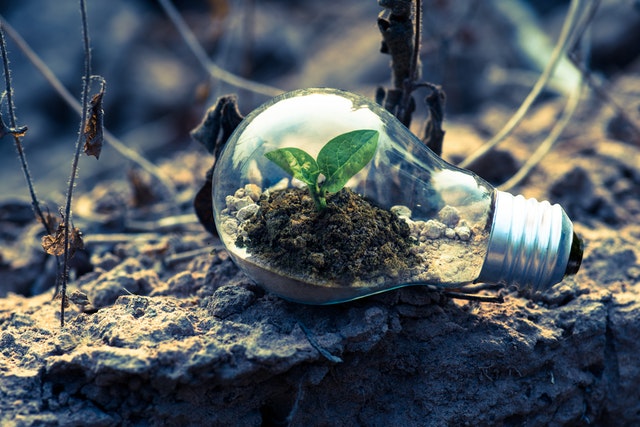
Change Your Light Bulbs
One of the simplest and most effective ways to reduce your carbon footprint is to switch to energy-efficient light bulbs. Just transitioning to LEDs can save tremendously; they last 12 times longer than conventional bulbs, use less electricity, and even if you run them 12 hours a day you can expect them to last as long as 11 years.
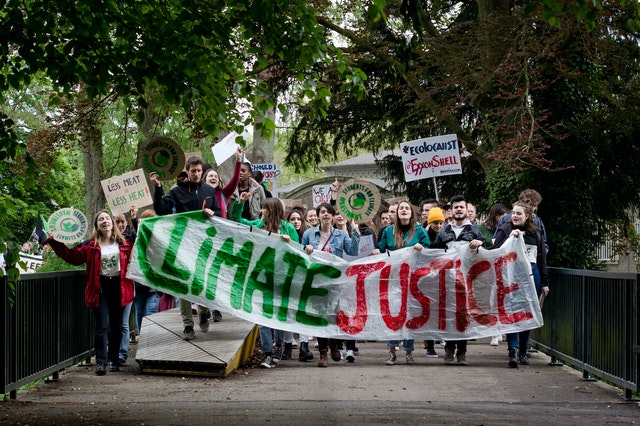
Photo by Vincent M.A. Janssen from Pexels
Broaden Your Efforts
Adjusting your homelife is a big challenge, but you can effect even bigger changes by engaging your community. Look to cities that have successfully addressed their carbon footprint and what qualities they offer — like sustainable energy sources, walkability and bikeability — and think about how you can bring about change in your own hometown. Whether it’s starting your own green business or encouraging your local government to promote change, being more actively climate-positive is sure to make a real impact that will ripple out to others.
Amanda Henderson enjoys raising awareness of a variety of important issues and sharing handy lifehacks through writing. On her Safe Children blog, she provides thoughts and resources on parenting and child safety. Article banner image by David McBee from Pexels.

This Earth Week, we at Connect4Climate are thrilled to announce the launch of All4Climate – Italy 2021, a rich calendar of events acros

This article is one of several on the #Youth4ClimateLive Educational Toolkit and will be updated as new episodes of the Youth4Climate Live Series are released.
After watching a great episode of #Youth4ClimateLive, do you get the urge to hop on social media and spread positive climate ambition vibes? Maybe you get those urges all the time! Whatever the occasion, we’ve got just the ticket: fun and easy-to-use #Connect4Climate Action Templates.
These versatile templates are conducive to use in both personal Instagram Stories and in-person or virtual classroom settings. Download the PNG version to use directly on your Instagram, or use the handy printable PDF for an afternoon art project! If you’re meeting virtually, you can use a visual collaboration tool such as Jamboards to create a virtual collage. Take a look below for starter ideas on how to use these templates to spread your climate ambition. You can download your action templates here—we can’t wait to see all of the amazing work that you do!
How to use on Instagram:
Download the PNG file and save it to your mobile device
Create an IG Story and upload the template
Fill in the blanks using the text function. Be creative and use multiple colours, GIFs and emojis
Tag @Connect4Climate with the hashtag #Youth4ClimateLive and share with your friends!
How to use in the in-person classroom:
Download the PDF file and save it to your computer
Print and distribute to students
Fill in the blanks
Post and enjoy!
How to use in the virtual classroom:
Download the PNG file or download the PDF file and save it to your computer
Have students either: follow the steps for Instagram Stories and take a screenshot of their work, or print the PDF, complete and take a photo.
Have students upload their work to a visual collaboration tool such as:
Banner image courtesy of Anastasia Gepp, Pixabay.

This is a dedicated article on the topic of Innovation and Entrepreneurship. Adjoining resources emphasize innovation and entrepreneurship as drivers of adaptation and resilience. This article is a part of the #Youth4ClimateLive Educational Toolkit.
Tackling the climate crisis and creating a sustainable future depend on groundbreaking innovation across all sectors: clean energy, financial tools, business models, policy ideas, low-carbon technologies, and more. Together, we can accelerate the transition to a green economy in a way that leaves no one behind.
The climate challenge presents the next generation with an incredible opportunity to focus their knowledge on innovation and becoming ‘green’ entrepreneurs. Many are already doing just that and finding the response to presenting new approaches for these problems that are both open minded and fully supportive. The thirst for creative ideas is never quenched and there are multiple chances to share original concepts and innovations with a variety of competitions, hackathons, forums and pitch hubs all over the world.
Urging institutions, corporations and entrepreneurs to lead the change with new climate-positive business models is a job for everyone. Young people are particularly positioned to accelerate this transition as they are more open to out-of-the-box thinking and will reap the benefits of a green economy for years to come. Whether it’s through founding their own start-ups, demanding sustainable products from their favorite brands, inventing new technologies, or calling on their leaders to implement policies that incentivise carbon neutral business models, young people have an important role to play.
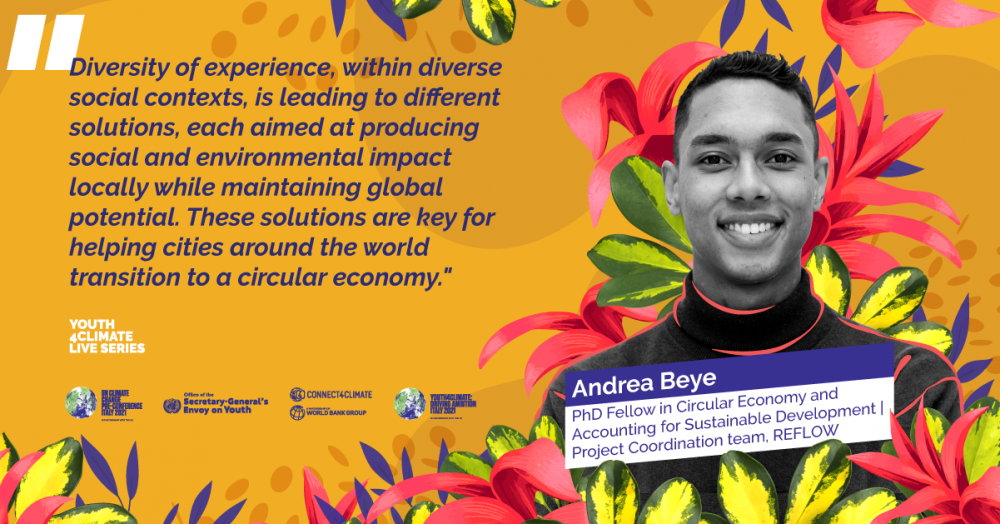
Innovation powers economic competitiveness, creates jobs, and helps ensure that technology and manufacturing enterprises continue to contribute social and economic value to the global economy. To learn more about transformative and innovative action on climate change, you can plan to get involved in the 2021 Innovate4Climate summit, or get inspired by last year’s conference in Singapore here. Innovate4Climate, hosted by the World Bank Group, brings together business, finance, policy and technology leaders to accelerate action on financing climate-smart development.
Rapid application of new low impact technology together with support for education and training is crucial for vulnerable regions and communities around the world to enable them to take advantage of the latest innovations and advance sustainable development. It’s important that the next generation will have the skills needed to make maximum use of a low-carbon economy. Take a look around your own region - how are people in your community thinking outside the box when it comes to tackling climate change? Tell us about green innovation and entrepreneurship that you discover in your own area on Twitter and Instagram. If you’re interested in learning more about the different ways that people around the world are innovating for climate action, check out some of the resources below.
Banner image courtesy of StartupStockPhotos, Pixabay.

Podcasts provide listeners from all over the world with content that is educational, entertaining, and easily accessible at any time and place. As it’s still a relatively new medium (although borrowing from the long traditions of radio), podcasters are continuing to play with style, format, and genre depending on the topic they’re exploring. With the urgency of the climate crisis weighing on the shoulders of global youth, it’s no wonder that many podcasters are harnessing the power of audio storytelling to help people understand what climate change is and what we can do about it.
Offering diverse perspectives and homing in on diverse facets of the #ClimateCrisis, here are some freely accessible podcasts to broaden your climate knowledge base on the go!
Get Your Feet Wet
How to Save a Planet: a podcast hosted by journalist Alex Blumberg and scientist / policy nerd Dr. Ayana Elizabeth Johnson that asks the big questions: what do we need to do to solve the climate crisis and how do we get it done?
Outrage and Optimism: a weekly podcast hosted by #Youth4ClimateLive alum Christiana Figueres that bridges both the outrage we see on the streets as well as the deep conviction that we CAN address climate change
Costing the Earth: BBC podcast bringing you fresh ideas from the sharpest minds working toward a cleaner, greener planet
Forest 404: a narrative podcast in the style of an eco-thriller starring Pearl Mackie
The Biggest Story in the World: this is an older podcast (from 2015) but still gives listeners a strong introduction to the basics of climate change and what solutions we need by going behind the scenes of the Guardian’s mission to tell a compelling and effective climate story
YALE Climate Connections: this is a series of bite-sized audio stories on different climate topics hosted by Dr Anthony Leiserowitz of the Yale Program on Climate Change Communication
You’ve Been Warmed: start off this podcast with an episode featuring #Youth4ClimateLive Launch guest Elizabeth Wathuti
Climate Talk: a youth-led and primarily youth-focused podcast for people all over the world to take practical and guided steps towards addressing Climate Change, hosted by #Youth4ClimateLive alum Seyifunmi Adebote
Just Transitions: An Introduction: a podcast from our colleagues at the Climate Investment Funds on how policy and investment can be leveraged to bring about a just transition to a sustainable future
1,5 Grad: a German-language podcast helmed by #Fridays4Future leader Luisa Neubauer in which she dicusses climate action strategies with experts from various sectors
Dive Deeper
Climate Biz: produced by the International Finance Corporation (IFC), this podcast looks at the news, highlights and opportunities in international climate business
MIT Climate Conversations: a weekly podcast from MIT Climate, an online community connecting questions to answers, research to solutions, and knowledge to action
TILClimate: this MIT podcast breaks down the science, technologies, and policies behind climate change, how it’s impacting us, and what we can do about it
Climate Rising: business and policy leaders join Harvard Business School faculty to discuss what businesses are doing, can do, and should do to confront climate change
Climate Change: this podcast from the National Parks Service asks the questions: how is climate change affecting plants and animals? How is climate change affecting national parks?
The Energy Gang: a weekly digest on energy, cleantech and the environment