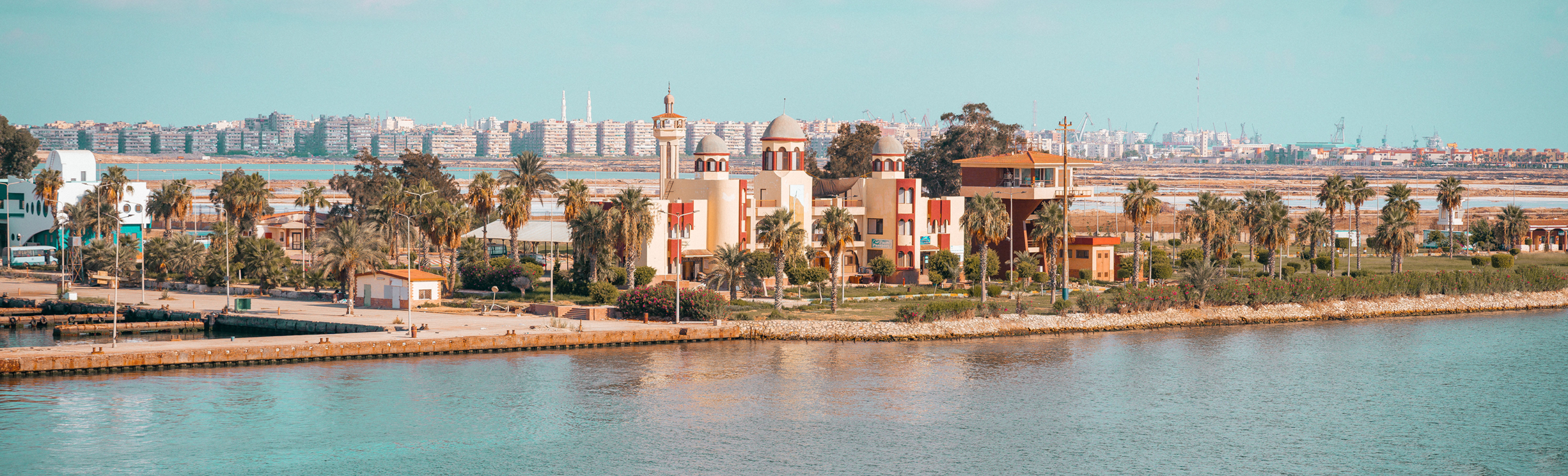
Water security is often framed in terms of infrastructure — dams, pipelines, and treatment plants. Yet the reality is broader. It is about the systems that surround water: the heat that evaporates it, the waste that pollutes it, and the livelihoods that depend on it. In Port Said, Egypt, designer and climate innovator Moemen Sobh has shown how tackling ocean waste can strengthen water resilience and community dignity.
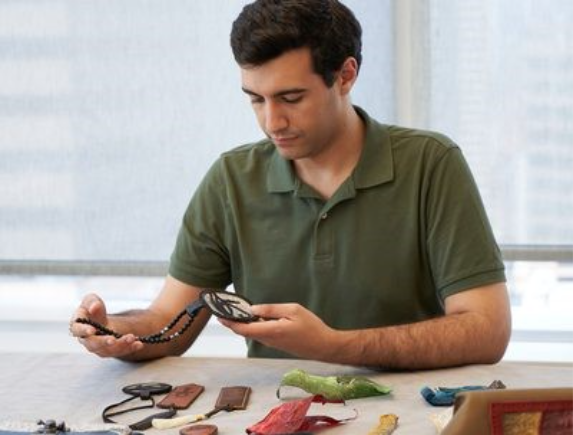
Moemen’s initiative Visenleer was selected for the Swarovski Foundation’s “Creatives for Our Future” program in 2025 (Credit: Moemen Sobh, Visenleer)
A Journey Rooted in the Coast
Moemen grew up in a fishing family where the Mediterranean was more than scenery — it was survival. But as climate change intensified and pollution spread, his family’s livelihood collapsed. “Between the rising tides of climate change and the suffocating grip of pollution, the Mediterranean wasn’t providing like it used to. My family lost their business, and with it, the identity of our community,” he recalls. That loss became the spark for Visenleer, a social enterprise turning waste into climate solutions.
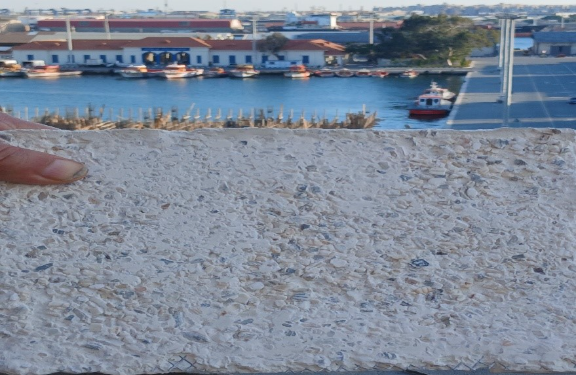
Visenleer transforms ocean and concrete waste into durable, sustainable building material (Credit: Moemen Sobh, Visenleer)
From Waste to Climate Action
To create what it calls SeaLoom™, Visenleer upcycles discarded fish skins, ocean-bound plastic, and seaweed-based inputs into eco-friendly textiles. Another of its innovative materials, FisherShade™, offers passive cooling properties to alleviate heat stress in schools, clinics, fish markets, and humanitarian shelters. Since its founding, Visenleer has reached several noteworthy milestones:
- 20 metric tons of ocean-bound plastic diverted.
- 60,000 fish skins upcycled using toxic-free processes.
- 1,800 fishers supported in partnership with the Port Said Governorate.
- 100 women engaged in paid preparation, quality control, and data roles.
For Moemen, the impact is clear: “We are not just saying waste should be reduced. We are creating a system where waste becomes a material, the material becomes a cooling solution, and the cooling solution protects vulnerable spaces.”
Water Forward & Visenleer’s Contribution
Spearheaded by the World Bank Group, the Water Forward coalition, launched in 2026 in response to mounting global water scarcity, aims to improve water security for up to 1 billion people by 2030. It emphasizes that water security is not only about infrastructure but also about resilience, livelihoods, and systems that can withstand climate shocks.
Visenleer contributes to this vision by addressing the pressures around water stress:
- Extreme heat: FisherShade™ reduces reliance on water-intensive cooling.
- Coastal pollution: SeaLoom™ upcycles waste into usable materials.
- Livelihoods: Digital Product Passports ensure traceability, transparency, and accountability to the residents of Port Said.
Moemen’s work exemplifies how regenerative solutions at the local level can complement global reforms, finance, and partnerships.
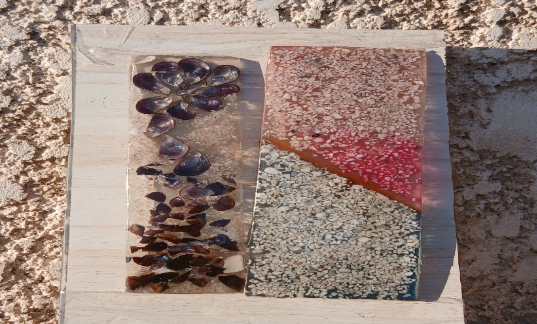
Discarded fish scales are transformed into an innovative shading system that blends functionality, sustainability, and circular design (Credit: Moemen Sobh, Visenleer)
Rooted in Heritage and Indigenous Knowledge
Resilience in the face of adversity often begins with role models. Moemen’s parents, Mohamed and Obaida, instilled lessons of belonging and connection to his ancestral roots. His grandfather, also a fisherman, passed on indigenous wisdom about ocean cycles, including when to fish and when to wait so that ecosystems remained vibrant. Moemen’s sister, for her part, demonstrated resilience through her commitment to creating new job opportunities for her community, showing how targeted action can shape livelihoods.
Together, these influences taught Moemen that climate action is most impactful when rooted in local realities. His favorite book, Fresh Banana Leaves by Jessica Hernandez, reinforced this lesson, illustrating how indigenous science and voices—particularly those of Latin American women and land protectors—can offer productive alternatives to Western conservation models. Heritage, indigenous knowledge, and resilience all have vital parts to play in the development of sustainable solutions for global challenges.
Global Lessons from Local Action
Moemen’s story parallels those of countless other young innovators, including Kenyan clean cooking pioneer Charlot Magayi, whose work has reduced indoor air pollution while creating healthier homes. Wherever you look, the case for community-rooted, evidence-backed climate action has never been stronger.
With hindsight, Moemen’s advice to those who see him as a role model is simple: “Stay rooted. The strongest innovation often comes from the place people overlook.”
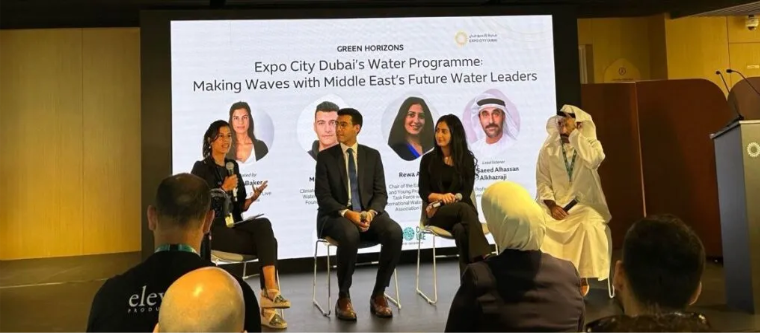
Moemen Sobh speaking on a panel at COP28 in Dubai (Credit: AFS Youth Assembly Alumni Advocate for Climate Action at COP28 | AFS Youth Assembly)
Ezinne is a passionate advocate for sustainable development and human rights, actively contributing to global initiatives led by PwC, the UN, and the World Bank, among others. She has received international recognition for leadership and innovation and has represented her native Nigeria at global climate fellowships. With a strong interest in technology-driven solutions, Ezinne supports Micro, Small, and Medium Enterprises (MSMEs) and shares insights through global platforms like the UN and Google Women Tech Makers.
Banner image courtesy of Earl Andre Roca.