Reaching out to the Cambrdige climate community
Represented by Max Edkins and Ivan Bruce, Connect4Climate (C4C) was honored to participate in the 2013 Cambridge Climate Forum on March 15.

Represented by Max Edkins and Ivan Bruce, Connect4Climate (C4C) was honored to participate in the 2013 Cambridge Climate Forum on March 15.
Here's the thing. We can talk about gender and its relationship to climate, the role of women in the battle against climate change, and the effects of climate change on gender all day everyday. That dialogue is happening around this subject is an acceptible reality. Climate change is (rather should always be) a critical topic of discourse. What we can't do is talk at the people most affected. We can't simply talk around them, study them, think about them, and convene conferences in their name.
More importantly, the affected must be allowed to voice their opinions, their concerns, their realities, and their solutions. Climate change doesn't just severely affect nameless, mass groupings of peoples. It touches, destroys and transforms the lives of real people, who are simply separated by geography and economic status.
Here at C4C, we feel that your personal stories matter, that they are important to consider as we all gear up to find solutions that will allow us to live happier lives and survive an ever changing environment.
Everyone should tell their stories, if for nothing else than for that one chance that someone will hear it and relate to our lives, our struggles, and our ambitions. Tell your stories so that you can emerge from under the weight of being a number, a statistic, an unidentified face in the crowd.

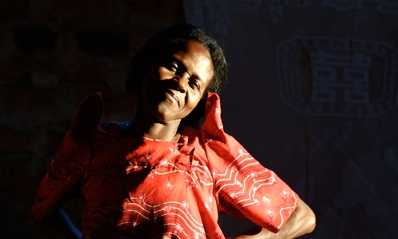
Today, we decided to let Africa speak for herself. We interviewed Milly Kugonza. She is a mother, wife, preacher, and an elected official in a small village of Kikuube in Uganda. The village has no access to electricity, or running water - two of the categories we discuss weekly. But Milly's story isn't simply about highlighting a woman in an African village, her story is the start of connecting the many threads that make up the global human tapestry we live under.
Milly shares how her village deals with climate change. She talks about the challenge of accessing water during dry seasons and the creative ways in which her community has devised to harvest rain water. These are challeges and solutions that would really apply anywhere on the continent.
How does Milly's experience resonate with you? Could you use some of the solutions her village uses in your life or in your community? Climate change might impact us in various ways, but one thing that unites us all is the desire to make the best of out of life.
It's 5 o'clock in the morning. I'm wide-awake struggling with jetlag, but glad about it because it gives me time to reflect.
Since January this year I have been an active part of the Connect4Climate team at the World Bank, and what exciting months these have already been. In 2011 I was honoured to receive the special prize of the Connect4Climate Photo and Video competitions with my photograph Climate Theatre and my video The World Has Malaria. At the time my partner Astrid Westerlind Wigström and I were running a number of rural climate change communication interventions in South Africa, Namibia, Tanzania and Kenya under the ClimateConsious Programme.
Working with local partner NGOs we engaged communities to tell their climate change experiences through photostories. These were re-worked into an educational climate change theatre or film script and participatory community productions were initiated. The theatre/film teams performed their shows in communities in the region and educational discussions followed the performances/screenings. Thinking back I am excited to see how far the climate message has progressed.

There’s no question, the environmental and social challenges of the 21st century are complex. While design alone may not solve all of these issues, Big Future Group believes that many of the adverse effects of climate change can be mitigated by sustainable design. As designers, we hope to address not only the immediate physical effects of climate change on communities, but also provide a framework of practices that advances quality of life issues with minimal impact to respective ecosystems over time, with specific attention to sustainable practices that minimize human impact on water, land, energy consumption, and biodiversity. These sustainable building methodologies can help people adapt, and sometimes even benefit from the effects of extreme environmental conditions that have become the new normal.
While sustainable design remains at the forefront of climate related dialogue, Big Future Group approaches the conversation from a different perspective: a multi-disciplinary collaboration of research and expertise. The founders—Sharon Davis, Julie Farris, Arun Rimal, and Eric Rothstein—met while working on the design and construction of an award-winning Women’s Opportunity Center in Kayonza, Rwanda. Together, they represent fields of architecture, engineering, hydrology and landscape architecture, to collectively explore multi-faceted solutions to food shortages, flood/drought, deforestation, unavailable access to energy, poor sanitation and health conditions, and an increasing carbon output.
Their work in Rwanda is a good example of the work they’ll be doing moving forward. The project, sponsored by Women for Women International, is made up of 20,000 sq ft of space covered by roofs that serve to shade and shelter women, and simultaneously harvest rainwater with durable cisterns. Rwandan women living in the area handcrafted a half-million bricks on site in order to build classrooms, which are made up of curved walls that create intimate communal spaces. The project also incorporates a landscape designed to nourish the community, a communal kitchen, lodging, and a marketplace to sell goods made there. While working together on this transformative project, the four decided that the Women’s Opportunity Center project was just the beginning, and that more work was to be done. In June of 2011, they founded Big Future Group.
Utilizing innovation-generating design methodologies, Big Future Group will develop achievable goals for specific community-based projects, and multi-disciplinary teams will research, design, and build sustainable infrastructure for areas in need. Big Future Group’s projects are focused on scalable, replicable and transferable measures, as these practices are essential to sustainability and viability. The projects also aim to serve each community’s unique site conditions, values and communal needs, which can often lead to unexpected opportunities for innovation, essential for future progress.
To learn more about Big Future Group and their initiatives, visit www.bigfuturegroup.org.
On November 28th, 2011, the New York Times reported from Washington that with intensifying climate disasters and global economic turmoil as the backdrop, delegates from 194 nations will gather in Durban, South Africa, today, Monday 28th of November. The delegates will try to advance, if only incrementally, the world’s response to dangerous climate change. To those who have followed the negotiations of the United Nations Framework Convention on Climate Change over their nearly 20-year history, the conflicts and controversies to be taken up in Durban are familiar: the differing obligations of industrialized and developing nations, the question of who will pay to help poor nations adapt, the urgency of protecting tropical forests, and the need to rapidly develop and deploy clean energy technology.
However, many of the sitting members of the United States Congress doubt the existence of human influence on the climate and ridicule international efforts to deal with it. The negotiating process itself is under fire from other quarters, including the poorest nations who believe their needs are being neglected in the fight among the major economic powers. But scientists warn that these arguments serve only to delay actions that must be taken to reduce climate-altering emissions and to improve vulnerable nations’ ability to respond to the changes they say are surely coming.
Rajendra K. Pachauri, director of the Intergovernmental Panel on Climate Change, the global body of scientists and statisticians that provides the technical underpinning of the United Nations talks, noted that the group had recently released a detailed assessment of the increasing frequency of extreme climate events like droughts, floods and cyclones. They highlighted the necessity of moving quickly to take steps to reduce emissions and adapt to the inevitable damage. The Durban meeting is formally known as COP17, for the 17th conference of the parties to the United Nations convention on climate change.
Negotiators entered the United Nations climate talks at Copenhagen two years ago with grand ambitions but left empty-handed. Now they are lowering their expectations and hoping to keep the process alive through modest steps. At Durban, the negotiators will broach the politically-weighted question of whether to extend the Kyoto Protocol, the 1997 agreement that requires most wealthy nations to trim their emissions while providing economic and technological assistance for developing countries to pursue a cleaner energy path. Also still on the agenda are the structure of, and the sources of financing for, a climate adaptation and technology fund that is supposed to reach $100 billion a year by 2020. One of the issues that is most contentious and least likely to be resolved involves the future of the Kyoto Protocol, which requires the major industrialized nations to meet targets on emissions reduction but imposes no mandates on developing countries, such as emerging economic powers and sources of global greenhouse gas emissions like China, India, Brazil and South Africa. The United States is not a party to the protocol, having refused to ratify it because of its asymmetrical obligations. But the European Union, the major developing countries, and most African and Pacific island nations would like to see the Kyoto process extended as a prelude to a binding international agreement after 2020 to reduce emissions so as to keep the average global temperature from ever rising more than 2 degrees Celsius, or about 3.6 degrees Fahrenheit, above its current level.
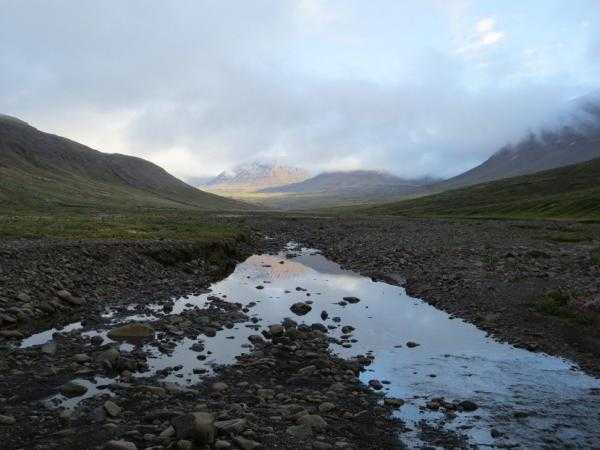
This summer we travelled 4,300 miles, taking three flights and one boat, from London to Disko Island in western Greenland. We were completing part of our field research into the recent changes in Arctic frozen ground (or ‘Permafrost’ - ground that remains frozen for two years or more). Permafrost currently accounts for around 25% of the Earth’s land surface and covers vast areas of the Arctic, Siberia, Canada, and some high mountain regions. It is an important store of greenhouse gases and estimates suggest that it may contain as much as 1,700 gigatonnes of carbon.
The upper layer of the frozen ground, the ‘active layer’, melts during the summer and releases the gases and sediments stored within it. Where permafrost has formed in front of glaciers, the meltwater streams can erode the thawed active layer, increasing the emission of the stored gases and sediments. If Arctic air temperatures rise as predicted, the amount of permafrost eroded by glacial meltwater is also likely to increase. Investigating the interactions between these Arctic glaciers and the surrounding permafrost is important for our understanding of future environmental changes.
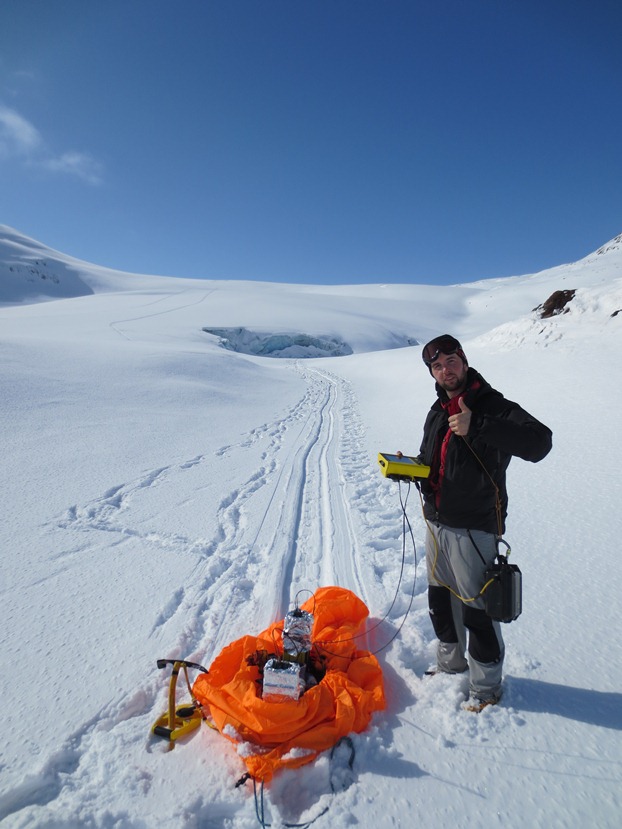
The Ground Penetrating Radar (GPR) and Tim Lane in action during the winter season, 2013. Photo: K Adamson
Our project forms part of an Arctic-wide research programme coordinated by EU-INTERACT. Through our work with INTERACT we have now completed two field seasons – one in the winter when the permafrost was fully frozen, and one in the summer, when the active layer had thawed. Our research aims to investigate the annual change in the depth of this active layer, and how it contributes to changes in the sediment within glacial meltwater streams.
Our field site on Disko Island provides the ideal location to study Arctic permafrost. It lies to the east of a small ice cap, and the meltwater streams are easy to access. During our fieldwork we stay at the research centre ‘Arctic Station’, which we share with other Arctic scientists investigating a whole range of topics from whales, to Arctic insects and everything in between! In order to study our site in depth we also spend a good deal of time camping close to the ice cap.
During the winter season, when temperatures reach a cool -20°C, we reach our field site by snowmobile over the ice cap and frozen meltwater streams. In the summer, temperatures reach around 7°C. At this time, the ice and snow have receded and the meltwater streams are in full flow. Getting to our site takes an 8-hour trek over bogs and meltwater streams. With 20 kg of equipment in our backpacks, this takes a lot of high energy snacks and scientific enthusiasm!
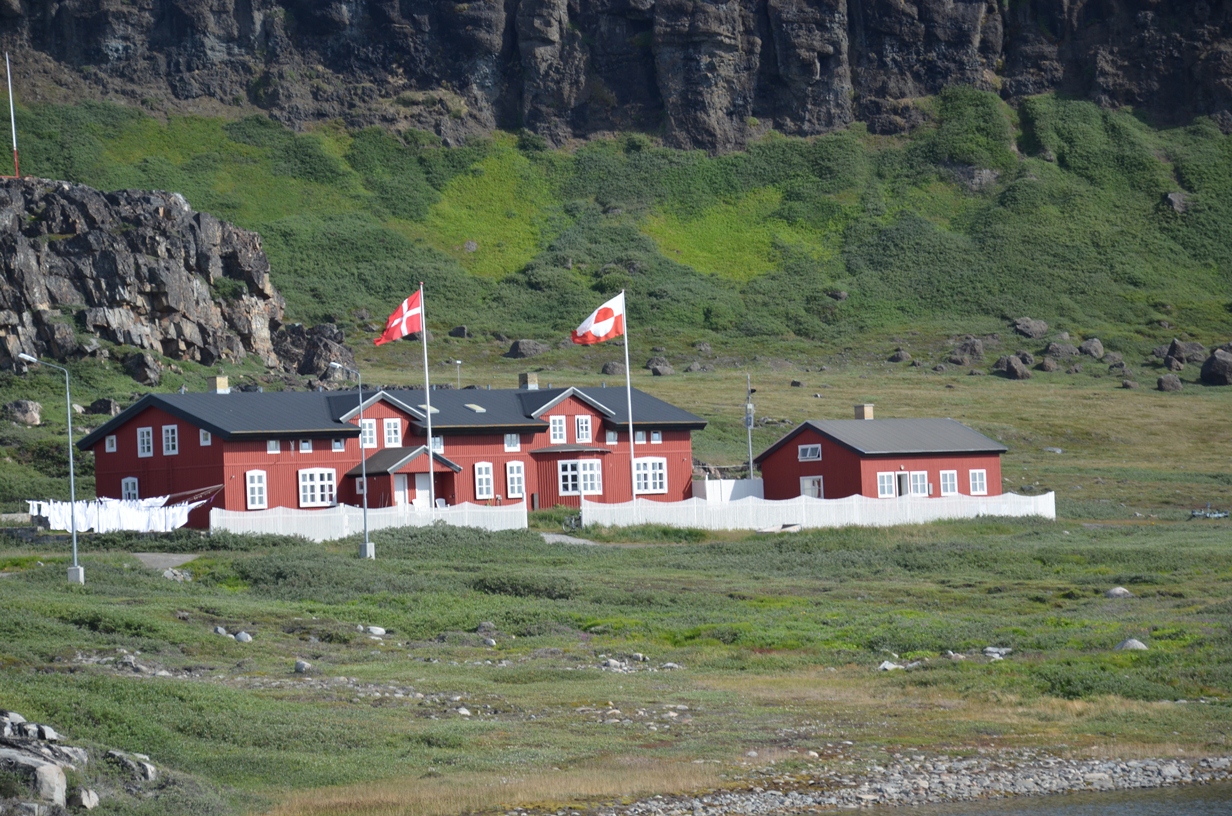
Arctic Station, Disko Island. Photo: T Lane
Once we arrive at our site we use a ‘ground penetrating radar’ (GPR) to scan the ground. It is almost like the geological equivalent of a medical scan. This machine transmits radar pulses into the ground. These pulses hit objects below the ground and are then reflected back to the machine. We can then use the returned signal to interpret the size, shape and location of subsurface material (such as soil, rock, ice, and water). Visiting the site over two seasons allows us to repeat our measurements and explore the changes in the permafrost. As well as the GPR measurements, we also collected water samples from the meltwater stream, using the slightly less high-tech method of waiting beside the stream and filling water bottles!
This fieldwork provides us with important insights into the changes occurring in these sensitive Arctic environments. It forms one of the many research projects being carried out each year which collectively will lead to a better understanding of climate change. It is these observations that allow scientists to make more informed predictions about the future changes in the Earth system.
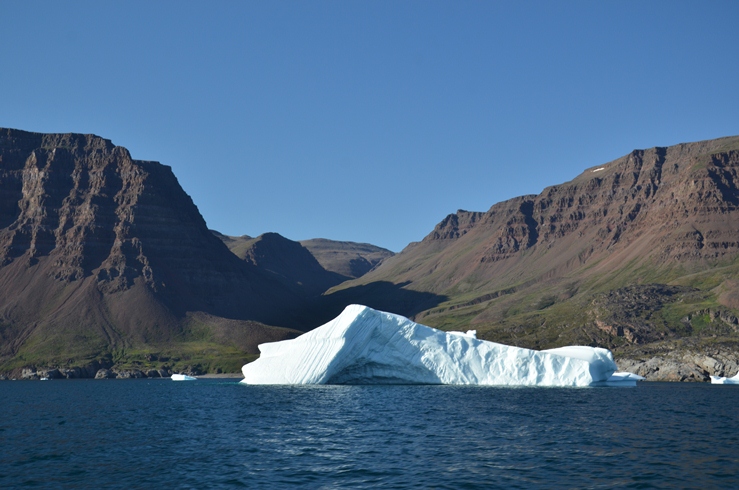
Icebergs. Photo: T Lane
Read more from Kathryn and Tim on INTERACT.
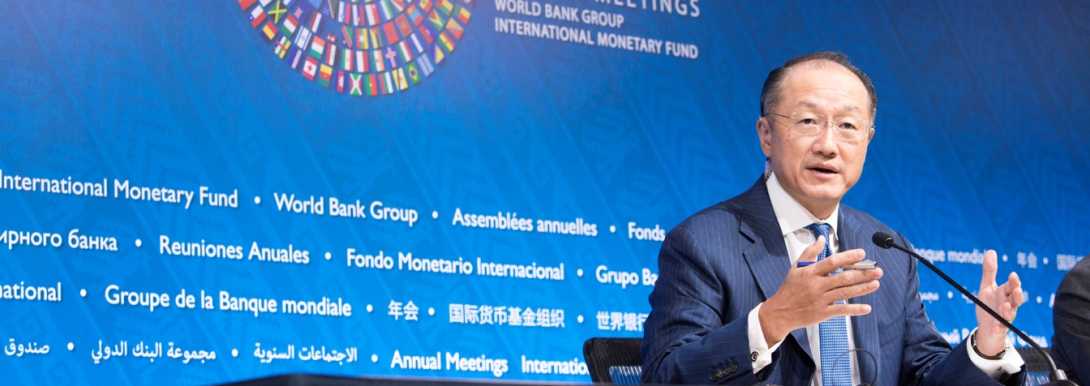
Member country officials, private and public sector executives and academics assembled in Lima last week to discuss global concerns and achievements: poverty eradication, climate change, renewable energy, international development, and more. Over three days at the Annunal meetings of the World Bank Group and International Monetary Fund concerns, achievements and commitments were announced by world leaders just two months before COP21.
Finance ministers of the "Vulnerable Twenty" (V20) countries most at risk from climate change, representing close to 700 million people, said this week that an average of more than 50,000 deaths a year were attributable to climate change, with the number expected to rise exponentially by 2030.
On Oct. 9, following the Climate Ministerial meeting hosted by Peru and France, the Bank Group pledged to boost climate-related financing by as much as a third, to as high as $29 billion annually, with the support of the Bank Group’s member countries.
"The World Bank Group stands ready to scale up its support to meet increasing demand from countries," Jim Yong Kim, World Bank President, said in a press conference.
"If world leaders do not find a path to low-carbon growth that will keep global warming below an increase of 2 degrees Celsius, there is little hope of ending extreme poverty — and even more broadly, there is little hope of preserving the Earth as we know it for our children and grandchildren," said Kim and he urged countries to "show real ambition" at the climate change conference in Paris in December.
Connect4Climate followed the Annual Meetings closely, as they were filled with impressive and inspirational statements - see some highlighted quotes below:
The Media Watch on Climate Change (MWCC) is a continuously updated knowledge repository on climate change and related environmental issues. A visual dashboard provides interactive means to access this repository, analyze stakeholder perceptions, and track emerging trends in online coverage. The system collects, filters, annotates and visualizes documents from a wide range of English, French and German sources – news media, social networking platforms, Web sites of Fortune 1000 companies and environmental organizations. The capturing of stakeholder communication, automatically and in real time, enables an unprecedented level of transparency.
Stakeholders must manage and apply relevant knowledge to address societal issues effectively, and to ensure that change is conceived and implemented on both regional andsociety-wide scales. Understanding the reach of the topics various parties discuss and the opinions they voice is a complex process that requires knowledge on how topics and stakeholders relate to each other.
Insights into this process was one of the topics at a recent World Bank communication conference in Washington D.C. Organized by the Connect4Climate team, this event brought together a unique, multi-disciplinary group of scholars and multi-sector leaders who are experts incommunicating climate change to a broad audience. They invited me to present impact and communication success metrics developed for NOAA Climate.gov, and used visual tools of the MWCC to analyze Earth Day 2015 online coverage.
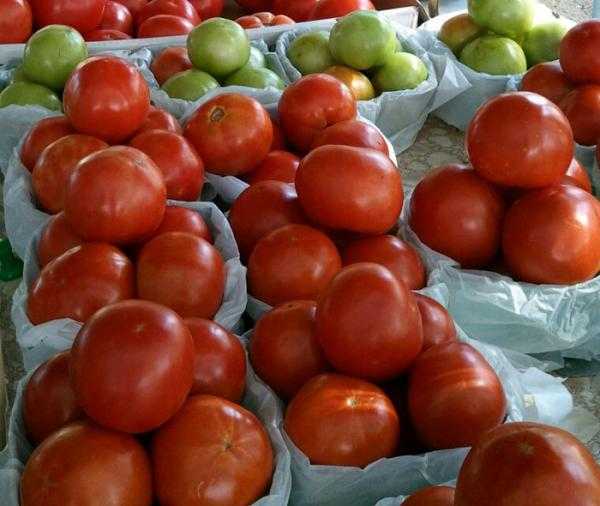
The cost of everything is higher in today’s world, mainly at the grocery store. Which is a trip that many of us want to skip once in a while. We could start skipping it and even drastically slash our bill, by growing our own food…
Many people think that to grow fruits and vegetables could be overwhelming, but it is actually easier than what you think…
What you firstly need is small square feet of land, or a container gardening, water and a little time. Our ancestors did it and so we can!!!
By growing your own vegetables and fruits you can:
To eat fresh fruits and vegetables is a way that your body could stay healthy. By having them in your backyard they have a higher level of vitamin content. Fresh food could actually be the best thing for your health. We don’t know how long has the food on the supermarket shelf been there? Or even how long has the fruit or vegetable been traveling for? If the fruit is fresh it is more likely to taste better as well.
As soon as you start consuming your own vegetable and fruits, your grocery bill will go down. You only need a packet of vegetable and seeds that can cost less than a dollar and water.
Growing fruits and vegetables in your backyard helps the planet in many ways. By growing your food, you are avoiding [commercial] pesticides and herbicides. You will also reduce the use of fossil fuels, and the pollution that is created by supermarkets. You are also less likely to waste your food.
Also, think about all the exercise you get from gardening. Planting, weeding, watering, and harvesting could be the exercise of the day and a family activity as well. Gardening is also an activity that relaxes you because the physical activity is not very intense. It is a way to take your mind into something else and get pure air and sunshine.
Overall, by growing your food you are building a sense of pride. Watching a plant grow thanks to your care and making it a healthy meal for your family is gratifying. It is a direct process that helps your health and personal well-being. When you are watching the process of a seed blossoming, you don’t have to care about food safely. You can just forget about the farm manufacturing plant, contamination and the transportation process.
This is a hobby that can actually improve your health, your wallet, and the environment!
A bond is a fixed-income asset issued by a public or private entity that wants to raise capital for their work. When an investor buys a bond they are purchasing debt to be paid back to them at a specific amount on a set time schedule.
But what do bonds have to do with climate change? Bonds can be used as a mechanism to allocate capital towards addressing social and environmental problems. Social impact bonds are gaining traction for a wide variety of social issues. Through the purchase of green bonds, also known as climate bonds, investors can assist in the funding of climate change projects.
The International Finance Corporation (IFC), the finance arm of the World Bank Group, is leading the way when it comes to green bonds. Large name investors in IFC’s issuance include Blackrock, State Street Global Advisors, and California Public Employees’ Retirement System. In February 2013 IFC issued one billion US dollars in green bonds—the largest amount by any entity to date. These bonds are solely for funding renewable energy, energy efficiency, and other climate projects in developing countries.
International organizations are not the only actors moving forward with green bonds, and projects are not confined to developing countries. The Climate Bonds Initiative, which provided the Climate Bonds Standard in 2011 to help investors screen the validity of the environmental claims of green bonds, released an extensive Bonds and Climate Change: the state-of-the-market in 2013 report. Here are the highlighted statistics:
Momentum and the market for green bonds is building. Green bonds and climate bonds were one of the main discussion points at the UN Investor Summit on Climate Risk 2014 (watch the video below) where 500 global financial leaders recently came together in New York. The Green Bond Principles were also recently created, reflecting the commitment of large investment banks such as JP Morgan Chase, Bank of America Merrill Lynch, Citi, HSBC, Morgan Stanley, and many others. The Principles are multi-stakeholder developed, voluntary guidelines. According to the press release, The Principles were designed to:
‘to provide issuers with guidance on the key components involved in launching a Green Bond, to aid investors by ensuring the availability of information necessary to evaluate the environmental impact of their Green Bond investments and to assist underwriters by moving the market towards standard disclosures which facilitate transactions’.
Standardization will help all parties understand the emerging green bond market and encourage its effectiveness and growth. Green bonds are the next step in using market mechanisms for climate change adaptation and mitigation around the world, increasing investors’ ability to directly support a transition towards low-carbon economies.